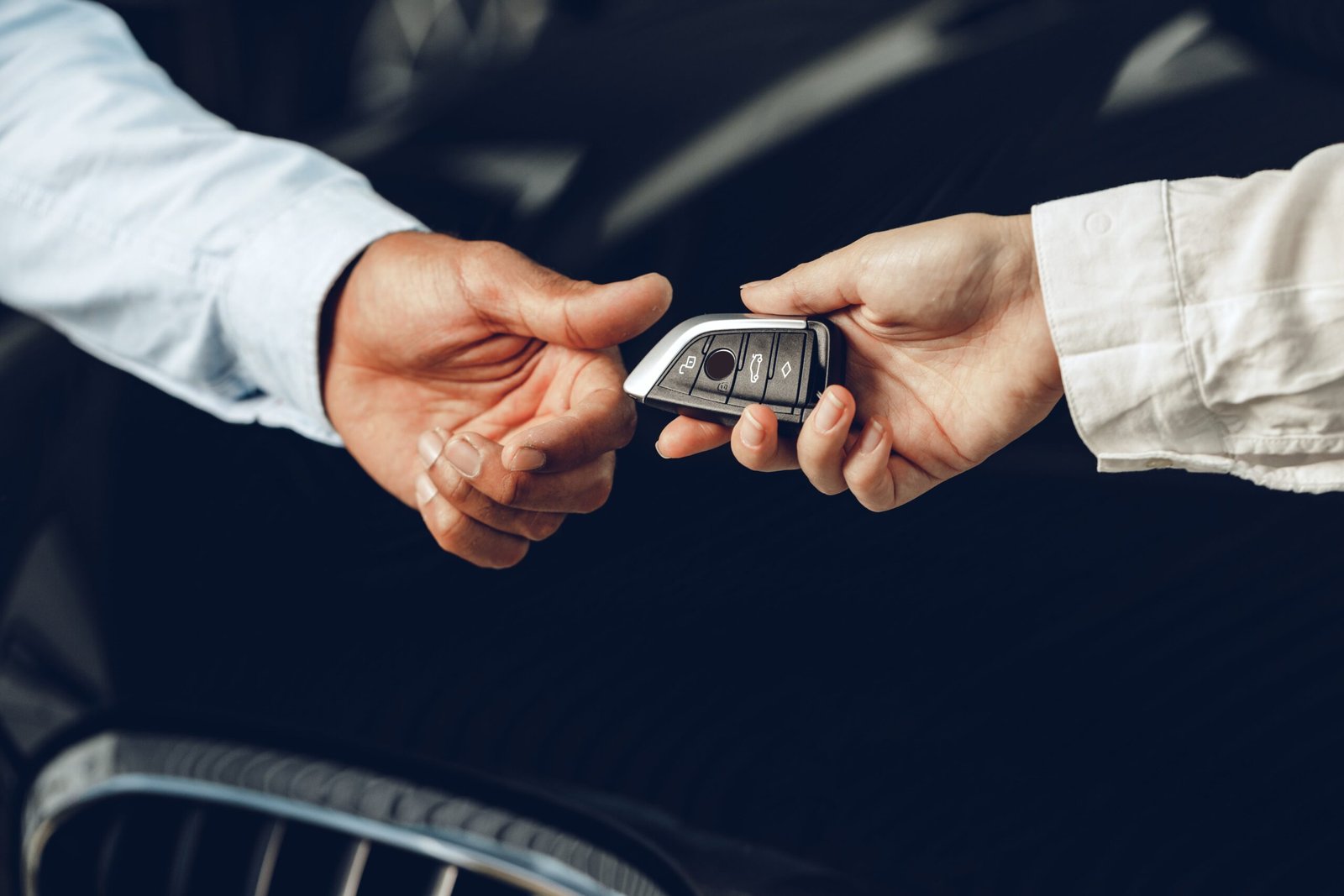
Automobile Key Programming: A Comprehensive Guide
In an era of technological improvement, the automobile industry has actually made considerable development in enhancing vehicle security and user benefit. One of the essential aspects of modern-day automotive technology is automobile key programming. This process not only enables the personalization of keys but also plays a vital role in the security of lorries. This post delves deep into the intricacies of automobile key programming, exploring its significance, techniques, obstacles, and developments in the field.
Comprehending Automobile Key Programming
Automobile key programming refers to the process of coding car keys to ensure they work as meant with the vehicle's electronic system. Pearlene Helfenstein is necessary for modern-day cars equipped with sophisticated security functions, often incorporating transponder chips or smart keys, which interact with the vehicle's onboard computer system.
Key Features of Automobile Key Programming:
- Transponder Keys: These are keys embedded with a chip that sends out a signal to the car's engine control system (ECU) to verify whether the key is genuine.
- Remote Keyless Entry (RKE): These systems allow users to unlock doors and begin engines from a range, offering convenience and security.
- Smart Key Systems: Advanced systems that enable keyless entry and ignition, often featuring distance noticing innovation.
The Importance of Key Programming
Key programming is essential for several reasons:
- Security Enhancement: Properly programmed keys prevent unauthorized gain access to and reduce the possibilities of vehicle theft.
- Convenience: Users can enjoy keyless entry and ignition, making it simpler to access their vehicles.
- Personalization: Owners can customize key functions, such as setting preferences for seat positions or environment settings.
- Repair Work and Replacement Needs: When keys are lost or damaged, reprogramming makes sure that replacements work effectively with the vehicle.
Kinds Of Key Programming
Automobile key programming can be classified into numerous types based upon the innovation utilized:
- Manual Programming: This procedure frequently involves physical interactions, such as turning the ignition switch to a specific position while pushing buttons on the key or remote.
- OBD II Programming: Many contemporary lorries utilize the On-Board Diagnostic system to program keys. This approach generally requires customized diagnostic tools that connect straight to the vehicle's OBD II port.
- Key Duplication: Involves producing a physical copy of the key, often without the need for programming, particularly with standard keys.
- Remote Reprogramming: This innovative method may be needed after a key is lost or when a vehicle is bought from a previous owner. It makes sure that the brand-new key is recognized by the vehicle's computer.
Common Challenges in Key Programming
While key programming provides many benefits, it features specific obstacles:
- Compatibility Issues: Not all keys work with every vehicle, making it necessary to source the appropriate key type.
- Faulty Equipment: Programming tools can often malfunction or stop working to interact properly with the vehicle's ECU.
- Technical Knowledge Requirement: A solid understanding of vehicle electronic devices and key programming techniques is essential for efficient programming.
- Cost: Depending on the kind of key and system, programming can often be pricey, particularly at car dealerships.
The Process of Key Programming
The procedure for key programming can vary extensively depending upon the vehicle design and the type of key included. Below is a basic summary of the actions included:
Gather Required Information:
- Vehicle Identification Number (VIN)
- Make, design, and year of the vehicle
- Kind of key (traditional, transponder, wise)
Select Appropriate Tools:
- OBD II scanner or suitable programming gadget
- Keys or remotes to be programmed
Follow the Programming Steps:
- For conventional keys: Insert the type in the ignition and follow the manual instructions.
- For transponder keys and RKE: Connect the programming tool to the OBD II port, input the needed information, and follow triggers on the screen.
Check the Key:
- Ensure that the new key starts the vehicle and runs any additional functions, such as central locking.
Frequently Asked Questions about Automobile Key Programming
Q1: What types of vehicles require key programming?A1: Most contemporary cars equipped with electronic ignition systems, including transponder keys and wise keys, require programming. Older cars may make use of conventional keys that do not require programming. Q2: Can I program a car key myself?A2: While some key types can be self-programmed using maker instructions, numerous modern keys require customized devices and know-how, often requiring expert assistance. Q3: How do I understand if my car key requirements programming?A3: If a brand-new or replacement key does not start your car, or if the key functions(like remote locking)aren't working, it likely needs programming to integrate with the vehicle. Q4: Is key programming expensive?A4: The cost of key programming can vary based upon the vehicle make and design, kind of key, and whether a professional is needed. Costs typically range from ₤ 50 to ₤ 300. Q5: What ought to I do if I lose my car
key?A5: If you lose your key, it's a good idea to consult your vehicle dealership or a professional locksmith professional who concentrates on key programming to get a replacement made and programmed.
In an age where vehicle security and convenience
are critical, automobile key programming sticks out as an important service in automotive care. Understanding the significance, types, obstacles, and processes included
can empower vehicle owners to make informed decisions regarding their automotive key requirements. As technology continues to develop, so too will the procedures and tools necessary for effective key programming, ensuring vehicle security remains a top concern. With the right info and assistance, mastering key programming can be a simple procedure, improving both the safety and functionality of modern-day automobiles.